
Early on in this mess, I felt like I was a total mess. My emotions and my grief took over constantly. At the hospital I crawled into Tom’s bed sobbing. Such a vulnerable side of myself that before this I would have kept hidden. Tom was my safe place. I know I was his too. Then that vanished.
A couple weeks after Tom died there was a free workshop by Dr. Alan Wolfelt happening close to my parents’ place. I think there was a link in some email from the funeral home advertising the workshop. I googled his name quick and figured ok this could either be really good, or, it could be about trying to sell books and we’ll have to slip out partway through. But hey we’ll give it a shot. Turns out Dr. Wolfelt is truly amazing. If you ever get the chance to hear him speak, or even find something on YouTube that relates to you, highly recommend him. He offers so many stories and vast experience presented in a genuine and caring way. The session provided a bit of direction on how to even begin to try to heal from Tom’s death, with Dr. Wolfelt offering up a sort of process for a grief journey. One of his big messages is the difference between grief and mourning. Grief is internal, all the thoughts and feelings inside after a loss. Mourning is external, expressing grief outside. We need to mourn. Our society has largely moved away from that – not good! We need to get our grief from the inside to outside. This can be crying or talking to someone else, but it can also be journaling or sifting through favourite pictures or doing anything that lets you express yourself. I appreciate this idea of giving grief attention but also that there’s options of what mourning might look like.
“The pain of grief will keep trying to get your attention until you unleash your courage to gently, and in small doses, open to its presence.”
from this article by Dr. Wolfelt
More helpful advice for me early on came from a book The Grieving Brain. I couldn’t really focus to read a book in my early days of grief, but I scanned through and found so much resonated with what I was dealing with (maybe I’ll do a whole other post about this book, it was really helpful for my science-mind). One little nugget – we have to experience positive things in the present moment to actually complete a stress cycle. Just focusing on memories isn’t going to send the same signals in our body. This offered more advice on what the heck I could to do to start to heal. Two big things that set me off on my journey – Dr. Wolfelt’s advice to express the grief in different ways, plus the permission that yes I needed breaks from grief and to spend some time in the present.
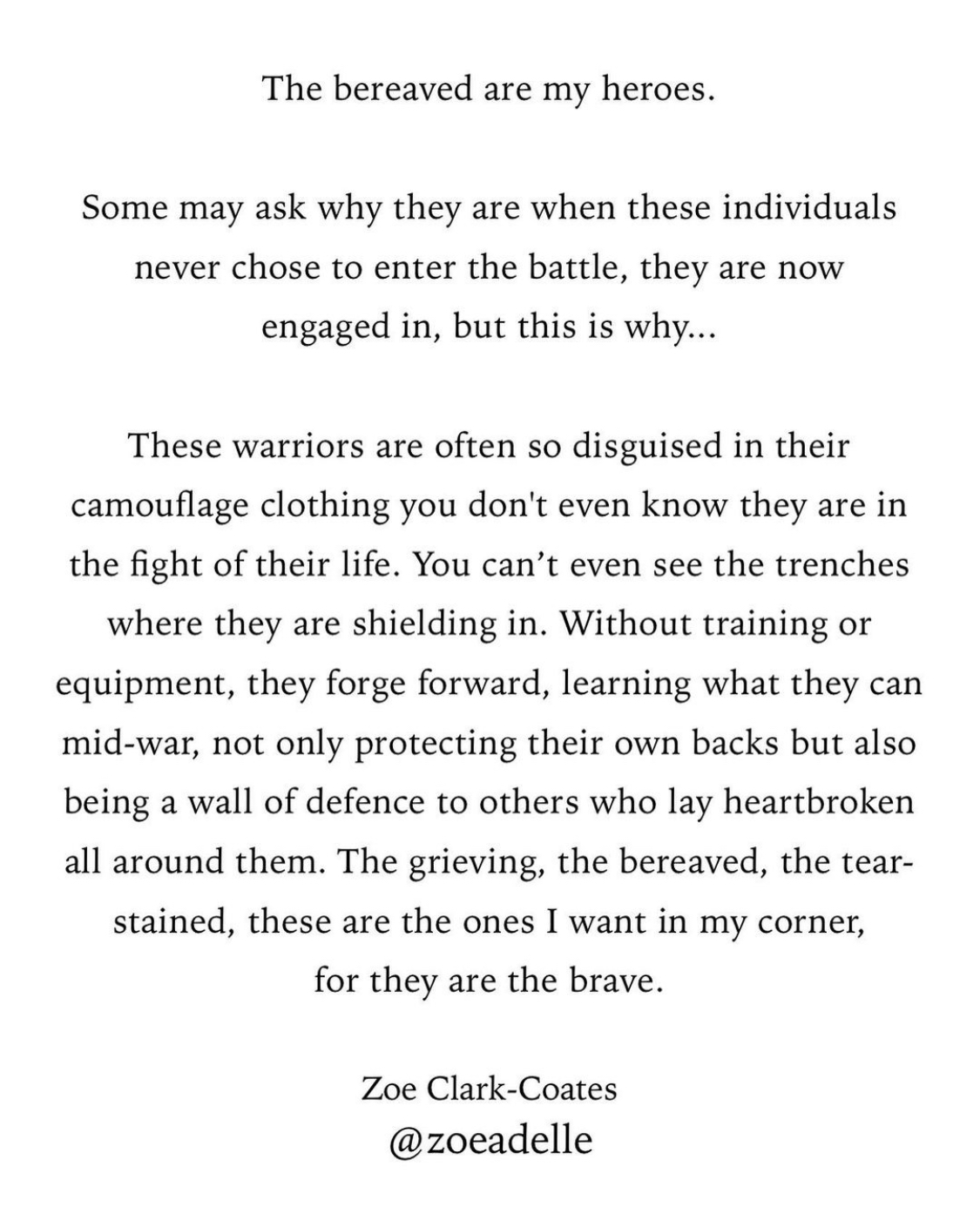
For the first couple months after Tom died I had conversations with almost everyone I interacted with about my husband dying. Maybe they’d ask questions about what happened or offer their experiences up. I know everyone was doing their best to help or try to process this for themselves. I realized though, that sometimes those conversations were not sitting well with me after the fact. Especially with people that didn’t know Tom, that weren’t also grieving for him. I had to learn that my comfort deserved to be put above others’. I needed to work to prioritize myself in the grief journey, as this is horrible enough to go through without trying to placate others. I learned to put up some boundaries (still a work in progress). It’s a big step that now my grief is not on display at all times and I can choose who I allow in. That’s the ultimate self-care and self-preservation in this. I quoted the advice before to ask the question, is this hurting or hindering my grieving process?
I’ve learnt to take charge of my grief more, but not in a way of avoiding it. It tags along always. I still do the work of mourning everyday, it just looks different depending on what feels more right to me at the time. I’m pretty intentional with it, making sure my grief has its time to be expressed. Writing in this blog has become part of it. The Good Mourning gals talk about doing a “grief sesh” – setting purposeful time to listen to music or look at pictures or think of memories that will bring out all the tears and emotions for their chance to be felt.
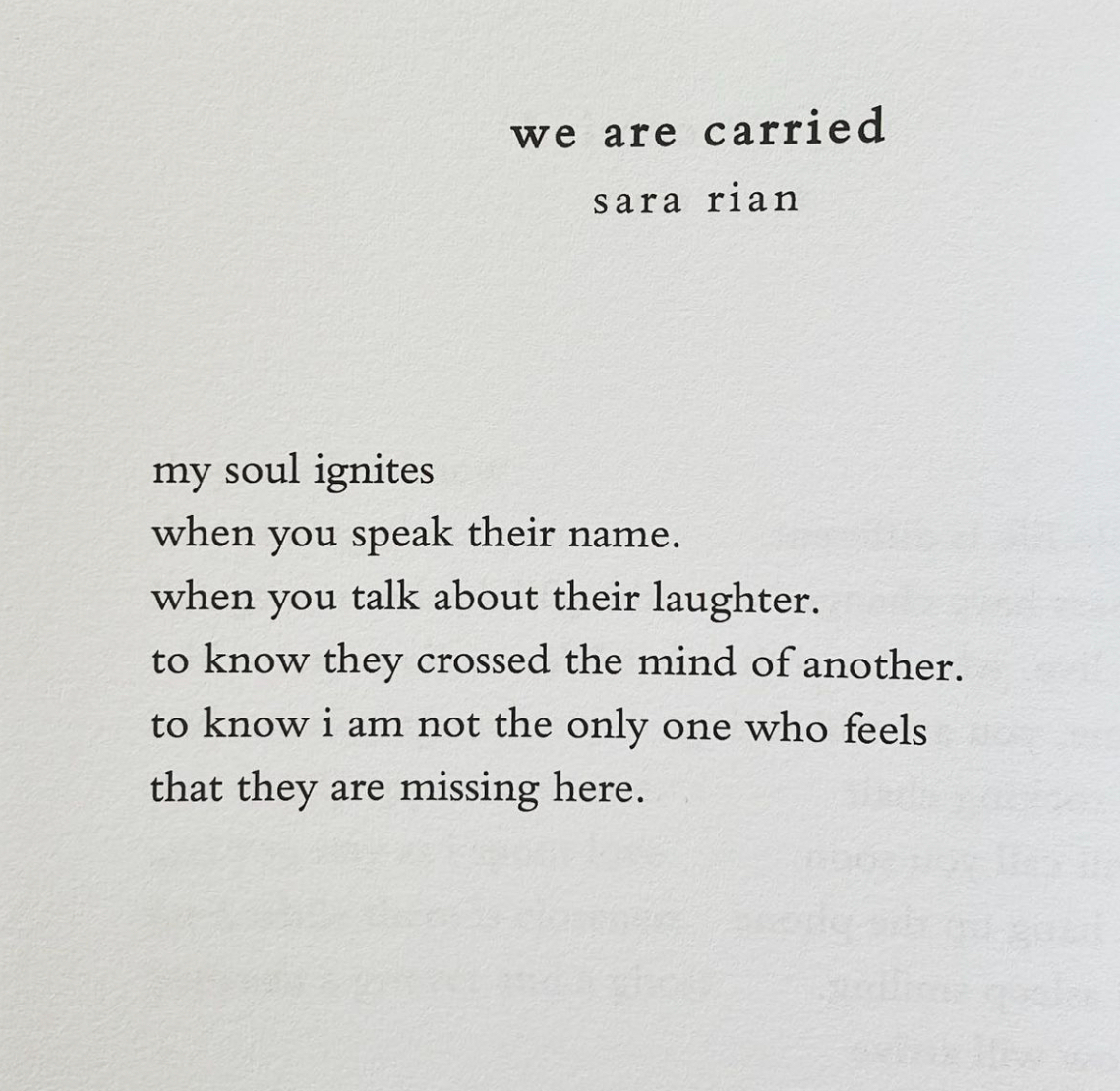
Side note – Choosing to not have my grief on display at all times does not mean I’m not constantly thinking about Tom. I absolutely am. All the time. I love to hear his name come up in conversations. Swapping stories, joking about Tom, reminiscing, laughing about what he would be saying now, etc is always welcome and appreciated.



 A Smiling Young Widow
Leave a comment or share your thoughts